How Microbiome Research Is Transforming Medicine?
Dr. Joël Doré: A Healthy Microbiome “Is a Control Hub for Health”
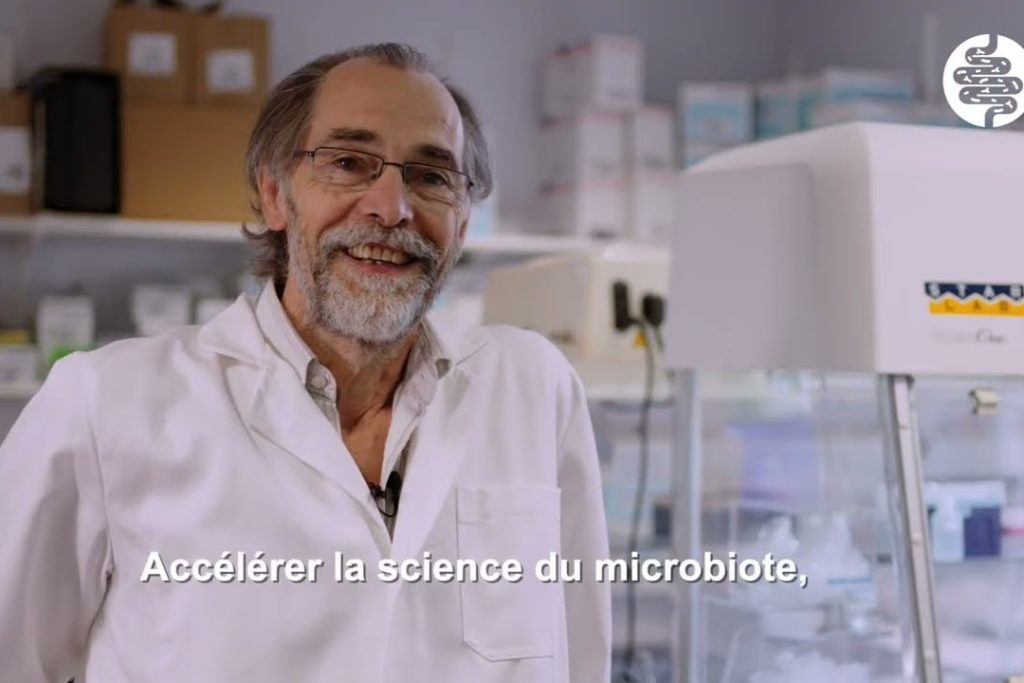
To mark World Microbiome Day 2025, we sat down with Joël Doré, Research Director at INRAE and Scientific advisor and co-founder of MaaT Pharma, and one of the world’s leading microbiome experts. He shares why the microbiome is more crucial than ever, how to care for it daily, and what the future of microbiome-based medicine could look like. From everyday tips to breakthrough therapies, discover why the gut microbiome is becoming a cornerstone of modern health.
To learn more, read the full interview below 👇

Why does the microbiome matter more than ever in 2025?
“No longer confined to the lab, the microbiome is now recognized as central to human health. Over the years, we have seen clearer links between our gut microbiome and chronic diseases such as obesity, depression, diabetes, and even cancers. In 2025, addressing chronic inflammation and diseases like the rise in colon cancer in young people requires looking beyond treatment, to the root causes, and looking at what is disrupting the gut microbiome and driving general body inflammation. Scientific studies show that Western populations have lost nearly 50% of the diversity in their gut microbiome — a decline that reflects modern lifestyle and dietary habits. This loss is not minor: it affects vital functions of the microbiome and threatens our overall health.
When healthy the gut microbiome is “a control hub for health”. Operating in full force it digests dietary fibers producing vital metabolites like short-chain fatty acids beneficial for our cells, it modulates immune function and prevents the proliferation of microbes from our foods and environment, and it maintains the integrity of the gut barrier. More specifically we know how our gut microbiota supports our natural defenses. First, it defends against harmful microbes by occupying space and competing for resources — a process called competitive exclusion or the barrier effect. Second, it constantly interacts with the immune system to maintain its balance, helping it stays calm when all is well and respond quickly when needed.“
👉 To know more about gut microbiome & immunity, watch the video 🎥
What are the best ways people can support their microbiome health today?
“Here are four complementary ways to nurture your gut ecosystem through everyday habits:
- Eat a healthy, varied diet across your lifespan — Fill your plate with diverse plant foods, whole grains, legumes, and richly colored vegetables to feed a wide range of beneficial microbes.
- Include fermented foods — While evidence is still emerging, fermented items (like yogurt, kefir, kimchi) help diversify your gut with live microbes that may provide beneficial functions.
- Avoid promoting gut permeability and inflammation — reduce meat to a maximum of 450g per week and favor fatty fish, rapeseed and olive oil for their omega-3 fatty acids.
- Think long-term, not quick fixes — A consistent, nutrient-rich diet carries more benefit than supplements. The mediterranean diet is a good reference.”
What is a microbiome-based medicine and what are the challenges?
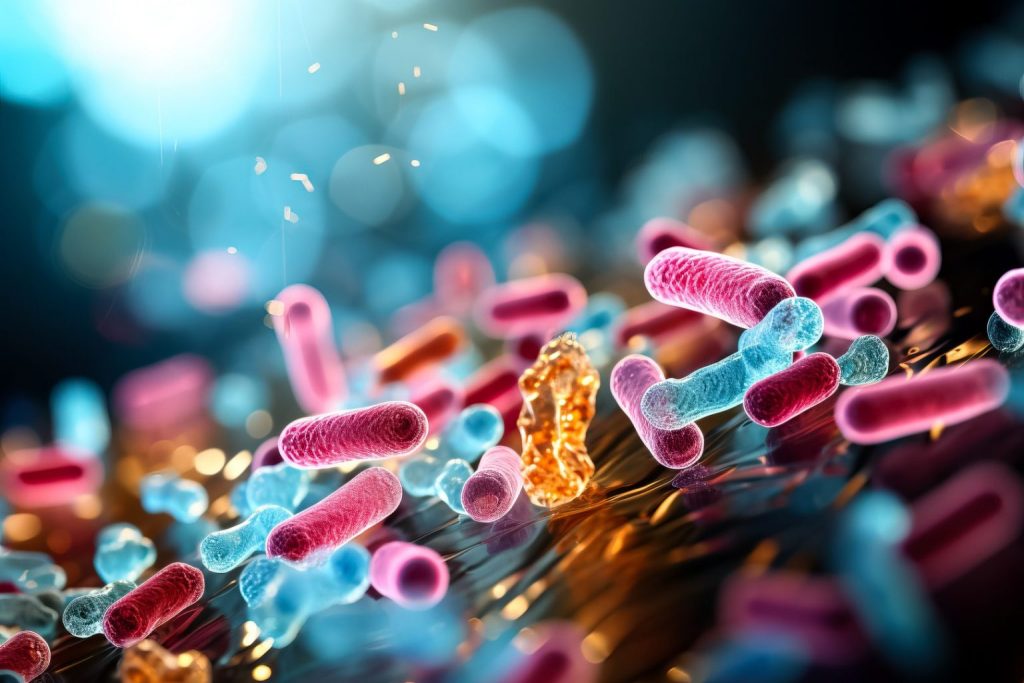
“A Microbiome-based medicine refers to a medical approach that uses or modifies the gut microbiome to improve health — whether by restoring microbial balance, delivering beneficial bacterial strains, or leveraging the metabolites they produce. Such therapies are evaluated in clinical trials to demonstrate safety and efficacy. Some of the most well-known examples today include fecal biotherapeutics, using fecal matter from healthy donors as starting material to treat Clostridioides difficile infection with two products approved in the U.S. by the FDA, respectively back in 2022 and 2023, that cause mild to severe diarrhea and colitis (inflammation of the colon) and ii) emerging live biotherapeutics — carefully selected strains.
As microbiome science is still a relatively young field, microbiome-based therapies — which involve living organisms or their metabolites — do not fit precisely into traditional drug categories; however things are evolving with the first products approval in the U.S., marking a major regulatory milestone for the entire industry, and harmonizing regulatory frameworks could benefit microbiome therapeutics and accelerate patients access across different regions. In the same line to advance the field, scientists (Routy et al, 2023 – Cancer Cell) have also identified the need for standardization – ensuring consistent protocols for sampling, analysis, and clinical trials and for dedicated technology development – improving tools for sequencing, modeling, and delivering microbiome-based interventions.
In a major milestone for the field, Phase 3 clinical data released in 2025 by MaaT Pharma showed high efficacy of a microbiome-based therapy in hemato-oncology—specifically for acute graft-versus-host disease (aGvHD), a rare and often fatal complication following bone marrow transplantation for the treatment of blood cancers. With a mortality rate over 85% within one year (Abedin et al., 2021 – British Journal of Haematology), aGvHD has few effective treatments and gut microbiome restoration is bringing hope to patients battling cancer.”
Where do you see the microbiome field in the next five years?
“The recognition of a healthy microbiome as a crucial support for our health and well being is opening a new frontier – that of a prevention and a medicine of the microbial human.
Expected innovations will stem from the recognition of a predictive value in microbiome analysis. For example, microbiome testing may predict risk of chronic diseases, their speed of progression or the response to standard therapies. Large cohort studies like Le French Gut will deliver the needed reference to, in turn, document the clinical benefits of microbiome analysis.
In addition, in life threatening conditions with no therapeutic option, restoration of a functional microbiome could increase chances of survival for many patients. In the treatment of cancers, the combination of microbiome-based prediction of response to immunotherapy and the promotion of treatment efficacy using fecal biotherapeutics is already emerging.”